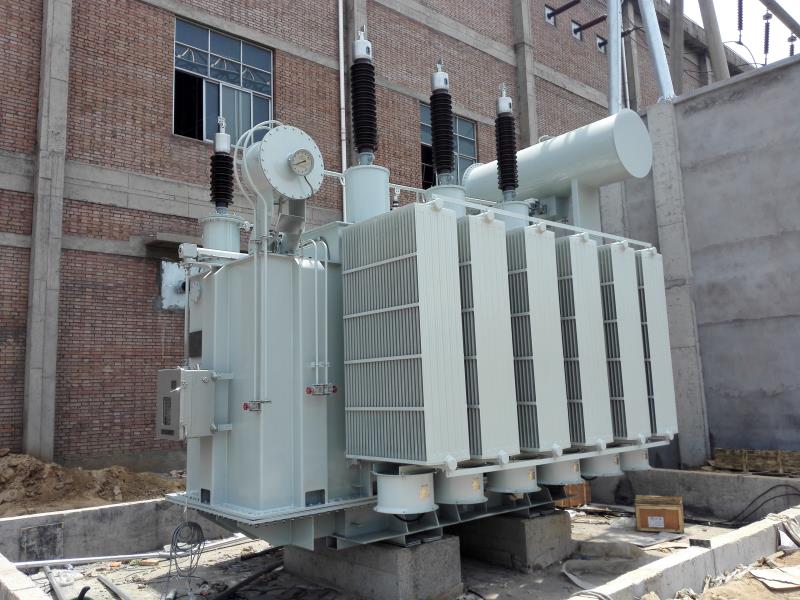
1. The oil valves in the transformer oil storage tank, cooler, and other places should be opened. Discharge the air again and check that there are no leaks in any areas.
2. The grounding of the transformer should be good.
3. The transformer paint should be intact and free of rust.
4. The porcelain sleeve should be clean and the oil level should be normal.
5. Set the voltage regulating position of the tap changer to the required operating position, and retest the DC resistance value to ensure it is normal. The indication of the on-load voltage regulating device should be correct, and the action test should not be less than 20 times.
6. The cooler operates normally, the linkage is correct, and the power supply is reliable.
7. The oil pool in the transformer room has been paved with pebbles, and the accident oil drainage pipe is unobstructed.
8. The outgoing line of the transformer is well connected, and the phase and phase sequence meet the requirements.
9. The installation direction of the gas relay is correct, and the contact action during the gas test is correct (the gas relay should be tested and adjusted).
10. The thermometer installation is completed, the indication is normal, and the set value meets the load requirements.
11. The secondary circuit wiring is correct and has been tested and operated in good condition. The protection device has been debugged and set to ensure sensitivity and reliability.
12. All electrical tests of the transformer are qualified.
13. Take another oil sample and pass the test.
14. In the transformer room, there should be no other debris and it should be cleaned thoroughly. There should be no left items, tools, etc. on the transformer.
15. Warning signs should be hung on the power transmission parts and operating switches accordingly. All primary and secondary switches of the transformer should be in the open state.
16. The communication phone should be connected to ensure reliable communication and rapid dispatch.
17. Prepare fire-fighting equipment and fire extinguishers.